The UK is launching a pilot aimed at prolific shoplifters, the small group of repeat offenders behind a large share of shop theft. The BBC reports that the 12-month, £2.5m scheme will run in 16 police force areas, including the West Midlands, and focus on about 500 of the country’s most persistent offenders.
Those offenders could face GPS tags and bans from high streets. The pilot will also look at what drives the offending, including drug and alcohol addiction. The same report mentions an earlier BBC investigation that linked 28,415 recorded offences to just 270 suspects between 2020-21 and 2025-26.

What shopkeepers told the BBC
Small business owners in Birmingham welcomed the plan. A local business group leader said shoplifting happens daily and that small shops are the least able to absorb the cost. He also hoped the measures would solve the problem rather than just move it somewhere else.
A grocery shop owner who has run his store for 20 years said thieves target him every week. They take expensive items, but also packets of butter and spices. He tells his staff not to physically confront thieves, only to make sure they know they are being watched. Even so, a member of his staff was recently attacked. His summary was simple: “We need help.”
Why it matters for small shops
If a few hundred people commit a big part of the theft, focusing on them makes sense. For an independent shop, a handful of regular visitors can be the difference between a good month and a bad one.
But a pilot takes time, and it covers selected areas. In the meantime the shop owner still has to get through every shift. Large chains can pay for security staff and absorb losses. A corner shop usually can’t. The owner, or one employee, is the security.
My take
What struck me most is the shop owner’s advice to his staff: don’t confront, just let them know they’re seen. That is good advice. Being watched is often enough to stop someone. And it keeps staff out of physical danger.
The hard part is the moment it stops being enough. Nobody can say for sure when that will happen, but people are good at sensing it. A change in posture, a tone of voice, someone who comes back to the counter once too often. AI is very good at spotting objects and movement on video. It is much weaker at reading intent. That instinct for when a situation is about to turn is human, and I think it should stay in human hands, mainly for ethical reasons.
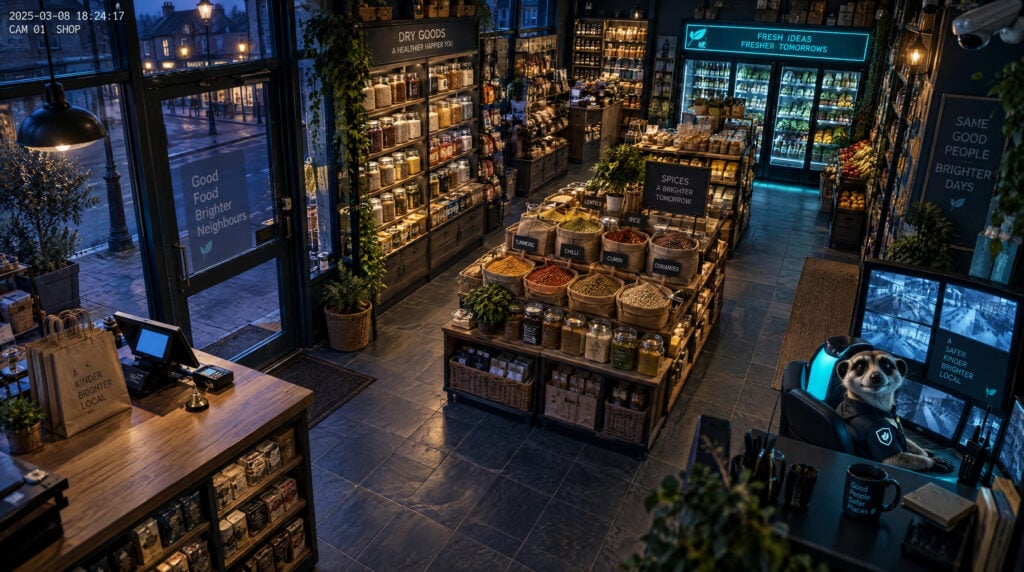
That’s why at Sentinel Watch real people watch the cameras. And the money a shop pays goes to the watchers who need the income, not to costly proprietary tech.
Targeting repeat offenders is a welcome step. But nobody behind a counter should have to feel they’re watching the door alone.
Source: BBC News (via Yahoo News)